Order coffee in Italian, from cup to counter
The useful question at an Italian café is not whether you know an impressive list of coffee names. It is whether the person serving you understands the drink you want, where you intend to have it, and any detail that changes its preparation. Start with those decisions.

Quick answer
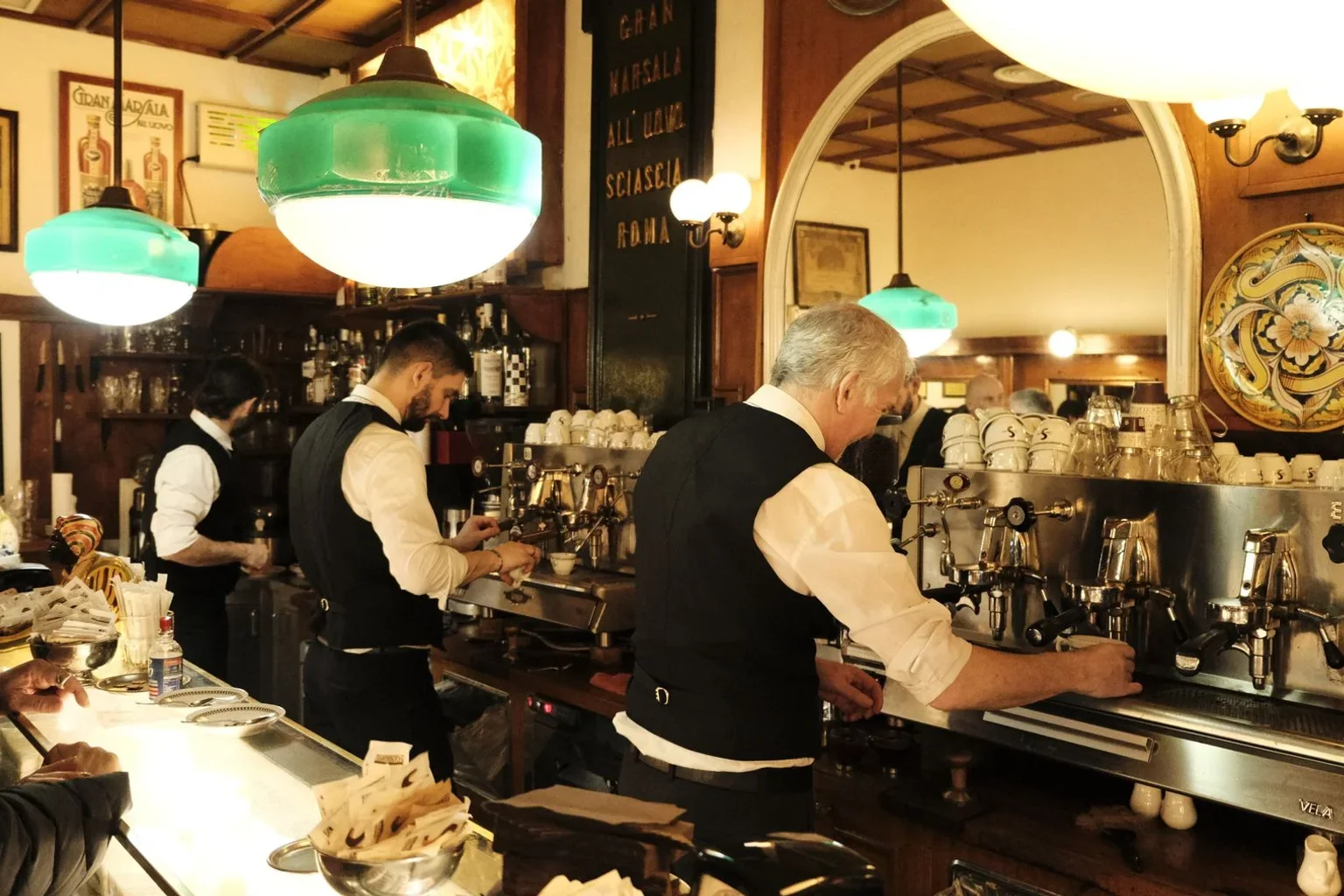
“Un caffè, per favore” means “A coffee, please” and commonly requests an espresso in an Italian bar. For milk, name the drink or ask for it explicitly. Then check the café’s own arrangement for counter service, table service, and payment.
In this guide
Decide what should be in your cup
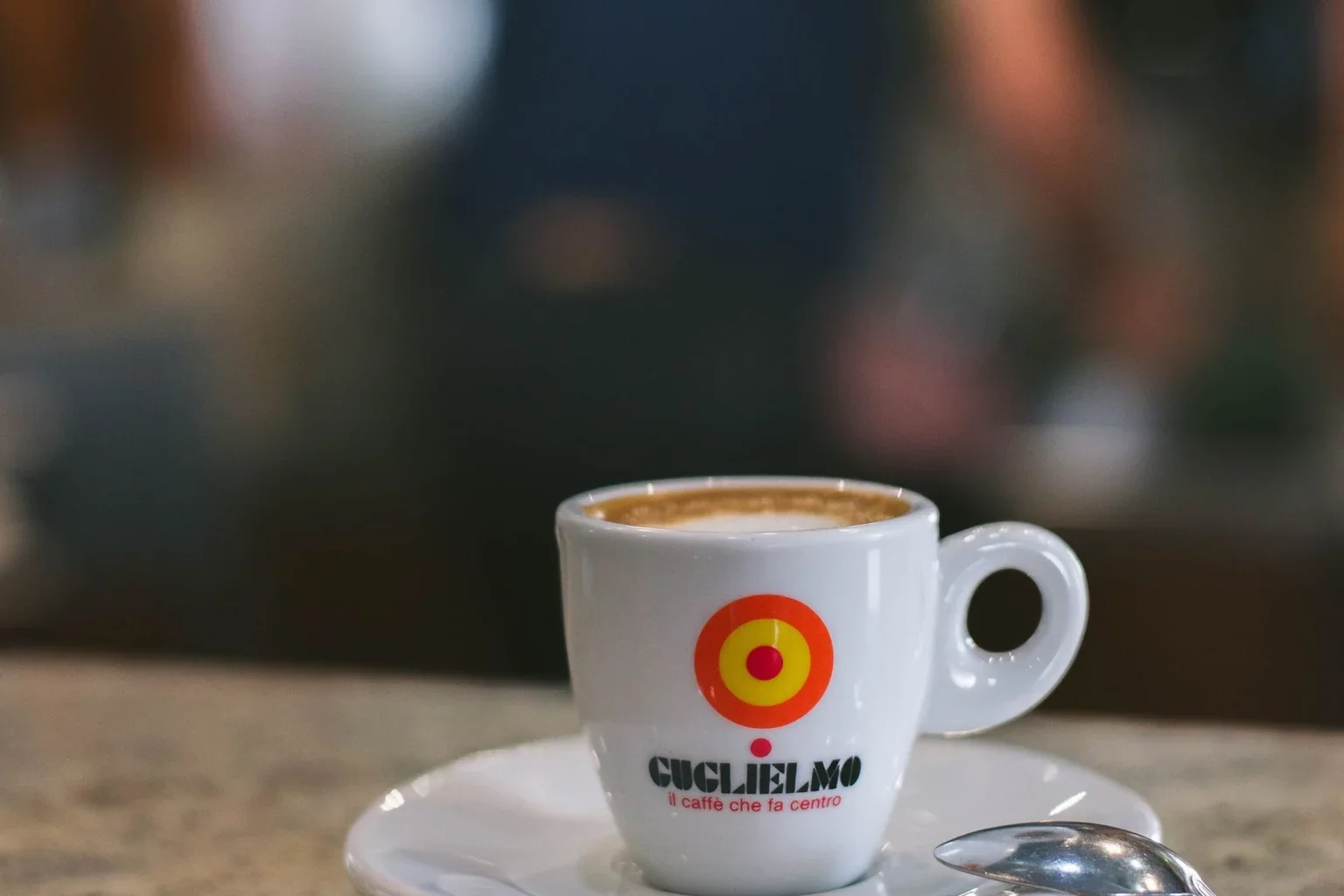
In a typical Italian bar order, “un caffè” commonly means an espresso. “Un cappuccino” names a different drink, made with coffee and milk. If you want a coffee with a small amount of milk, “un caffè macchiato” is a useful menu name. Learn the drink you actually want before expanding your vocabulary to every option on a long menu.
“Latte” means “milk.” Asking for “un latte” because that is the English name you normally use can therefore create a different expectation. If you want a particular coffee-and-milk drink, use its full name or explain the ingredients. “Un caffè con latte, per favore” means “A coffee with milk, please,” although the server may still clarify the preparation.
Look at what the café offers rather than treating one guide as a universal menu. Cup size, available milk, and variations can differ. You can ask “Come lo preparate?” (How do you prepare it?) when a named drink is unfamiliar. That question invites an explanation, so be ready to ask about the one ingredient or detail you most need to understand.
Turn the order into two short decisions
First name the drink. Then add the detail that changes it. “Un caffè decaffeinato, per favore” means “A decaffeinated coffee, please.” “Un caffè macchiato con latte freddo” requests a coffee with a little cold milk, making the milk temperature explicit. Say a modifier only when it expresses your actual preference.
For a simpler milk question, “Avete latte d’avena?” means “Do you have oat milk?” The answer establishes what this café has available. It does not confirm suitability for every dietary need or guarantee that equipment is separate. If a requirement matters, explain it directly and ask about the actual drink instead of relying only on the alternative milk’s name.
“Caldo” means “hot” and “freddo” means “cold.” These are useful words to recognize when the server offers a choice. Listen to which part of the order they describe. A question about milk temperature is not necessarily asking whether you want the entire coffee served as an iced drink. If the intended preparation is unclear, confirm it before agreeing.
Hear the difference between a choice and an addition
“Altro?” means “Anything else?” in this setting. If you have finished, “No, grazie” (No, thank you) answers it. If you want a pastry too, this is a natural place to add it. You do not need to repeat the coffee order unless the person asks you to confirm it or you are correcting something.
“Con zucchero?” means “With sugar?” That is a preparation or serving choice. “Senza zucchero, grazie” means “Without sugar, thank you.” In another café, sugar may simply be available for you to add. Do not force the same question-and-answer sequence into every encounter. Recognizing what kind of response is needed is more useful than predicting every exact word.
Try sorting three questions into intentions: another item, a drink detail, and where to drink it. Read “Altro?” (Anything else?), “Caldo o freddo?” (Hot or cold?), and “Al banco?” (At the counter?). Answer only after naming the intention. Our listening practice guide shows how to make a short exercise out of one meaningful distinction.

At the counter or at a table
“Al banco” means “at the counter.” “Al tavolo” means “at the table.” These phrases help you describe where you want to have your coffee. Service arrangements and prices can differ between places and types of service, so look at the displayed information and ask about the choice you are making rather than assuming they are interchangeable.
“Possiamo sederci qui?” means “Can we sit here?” It is useful when a table is not obviously available or you do not know whether it belongs to table service. “Ordiniamo al banco?” means “Do we order at the counter?” The answer tells you what to do in this café. You are asking about its arrangement, not requesting a general lesson on Italian coffee customs.
If you want to leave with the drink, ask “Da portare via, per favore” (To take away, please). Available cups and service may depend on the establishment. Wait for the response. A clear request gives the staff a chance to tell you what they can offer, and it is more useful than silently assuming the drink will arrive in a portable cup.
One conversation, with the choices visible
This original exchange begins after the customer has reached the ordering point. It includes a drink, a location, and a payment question. Read the customer’s intention before practicing the Italian, then vary one detail so that the conversation requires an actual decision on the next attempt.
| Speaker | Italian | Meaning |
|---|---|---|
| Customer | Buongiorno. Un caffè macchiato, per favore. | Good morning. A coffee with a little milk, please. |
| Server | Al banco? | At the counter? |
| Customer | Sì, grazie. | Yes, thank you. |
| Server | Altro? | Anything else? |
| Customer | No, grazie. Pago qui? | No, thank you. Do I pay here? |
| Server | Alla cassa, lì a destra. | At the till, there on the right. |
| Customer | Va bene, grazie. | All right, thank you. |
Follow this café’s payment instructions
The final instruction belongs to this invented exchange. Another café may ask you to pay before ordering or handle payment at the same counter. Practice changing that answer. The learner’s success is understanding where to go next, not getting the server to reproduce the last two lines of the table.
Ask about payment without guessing the sequence
“Devo pagare prima?” means “Do I need to pay first?” “Pago qui?” means “Do I pay here?” These are different questions. The first asks when payment happens; the second asks where. Choose the one that matches your uncertainty. Asking a precise question usually leads to a shorter and more usable answer.
“Scontrino” means “receipt.” If you receive one, keep it while you complete the order, especially if the staff asks you to show it at another counter. “Devo mostrare lo scontrino?” means “Do I need to show the receipt?” Again, let the actual service arrangement determine the next step rather than turning a possible procedure into a rule for every café.
“Posso pagare con la carta?” means “Can I pay by card?” If you missed the amount, “Quanto devo pagare?” means “How much do I need to pay?” You can check the display as well as listening. In a practice session, use clearly invented totals and change them between rounds so that you are recognizing a number rather than remembering a supposed current price.
Use polite language that you can retrieve
“Buongiorno” (Good morning/Good day), “per favore” (please), and “grazie” (thank you) can carry a straightforward order politely. You can also say “Vorrei un caffè” (I would like a coffee). Learn one comfortable opening and use it clearly. A longer sentence is not automatically a more successful or more considerate request.
If you need a moment, “Un momento, per favore” means “One moment, please.” If you did not catch the question, “Può ripetere, per favore?” means “Could you repeat, please?” The form “può” fits a polite singular address here. You do not need to apologize repeatedly for learning Italian; a specific request to repeat the missing information is enough.
Practice the repair separately from the order. Have someone ask an unexpected follow-up, then use the repeat request before answering. That way, asking for help becomes part of the conversation rather than a sign that the exercise has failed. Our guide to speaking when you freeze helps you keep that next turn manageable.
Treat customs as context, not a speaking exam
You may hear strong claims about when a particular drink should be ordered. Those claims are not a reason to avoid asking for the drink you want. Availability and individual preferences matter. The useful language task is naming your choice and understanding the café’s response, not proving that you know a rigid timetable for every coffee drink.
Likewise, standing at a counter is one possible experience, not a requirement you must perform to make your order legitimate. If you would prefer a table, ask about one. If you need to check a price or available seating, do so before settling in. Good communication includes obtaining the information that affects your actual decision.
For a café visit with a friend, agree on who is ordering which drinks. “Prendo io i caffè” means “I’ll get the coffees” in this context. If you are buying two different drinks, name both clearly. Social confidence often comes from knowing the small task you are responsible for, rather than memorizing a long description of café culture.
Practice a cup, a place, and a question
Write three sets of cards: drink choices, counter/table/takeaway, and one uncertainty such as where to pay. Draw one from each set. Make an order, answer the location question, and ask about the uncertainty. On the next round, change the cards. You now have a reason to adapt the wording without making the interaction complicated.
After a real visit, note the follow-up you had to hear twice. Was it a location, a preparation detail, or another-item question? Use our mistake-review routine to practice that particular turn again. Keep the correction small enough that you can retrieve it during the next order instead of burying it in a long vocabulary list.
When you are ready for a longer meal, try ordering at an Italian restaurant. If the coffee stop is part of a journey, our Italian station phrases guide covers checking the train and ticket. Each setting asks for different information, even when the same greeting and polite request help you begin.
Common questions
Does un caffè mean an espresso in Italy?
In a typical bar order, it commonly does. If you want another preparation, name it or ask about it. A café’s actual menu determines its options, so a clear preference is more useful than assuming every English coffee label maps directly to Italian.
Can I say latte when I want a coffee with milk?
“Latte” means “milk.” Use the full drink name or say what you want in it. “Un caffè con latte” means “A coffee with milk,” and the server may ask a follow-up about the preparation or available choices.
Should I pay before ordering?
Ask the café: “Devo pagare prima?” means “Do I need to pay first?” Procedures can differ. “Pago qui?” asks “Do I pay here?” so you can check the location as well as the sequence without guessing.
What is a simple way to ask someone to repeat?
“Può ripetere, per favore?” means “Could you repeat, please?” Use it when you missed a question or instruction. If you understood most of the answer, ask about the missing detail instead of restarting the whole order.
Sources and further reading
More practice guides
 Italian · Grammar in conversation 11 min read
Italian tu vs Lei: which should you use?
Choose tu or Lei in Italian with clear examples, polite requests, and a conversation that switches between them. Practice verb forms and avoid common mistakes.
Read the guide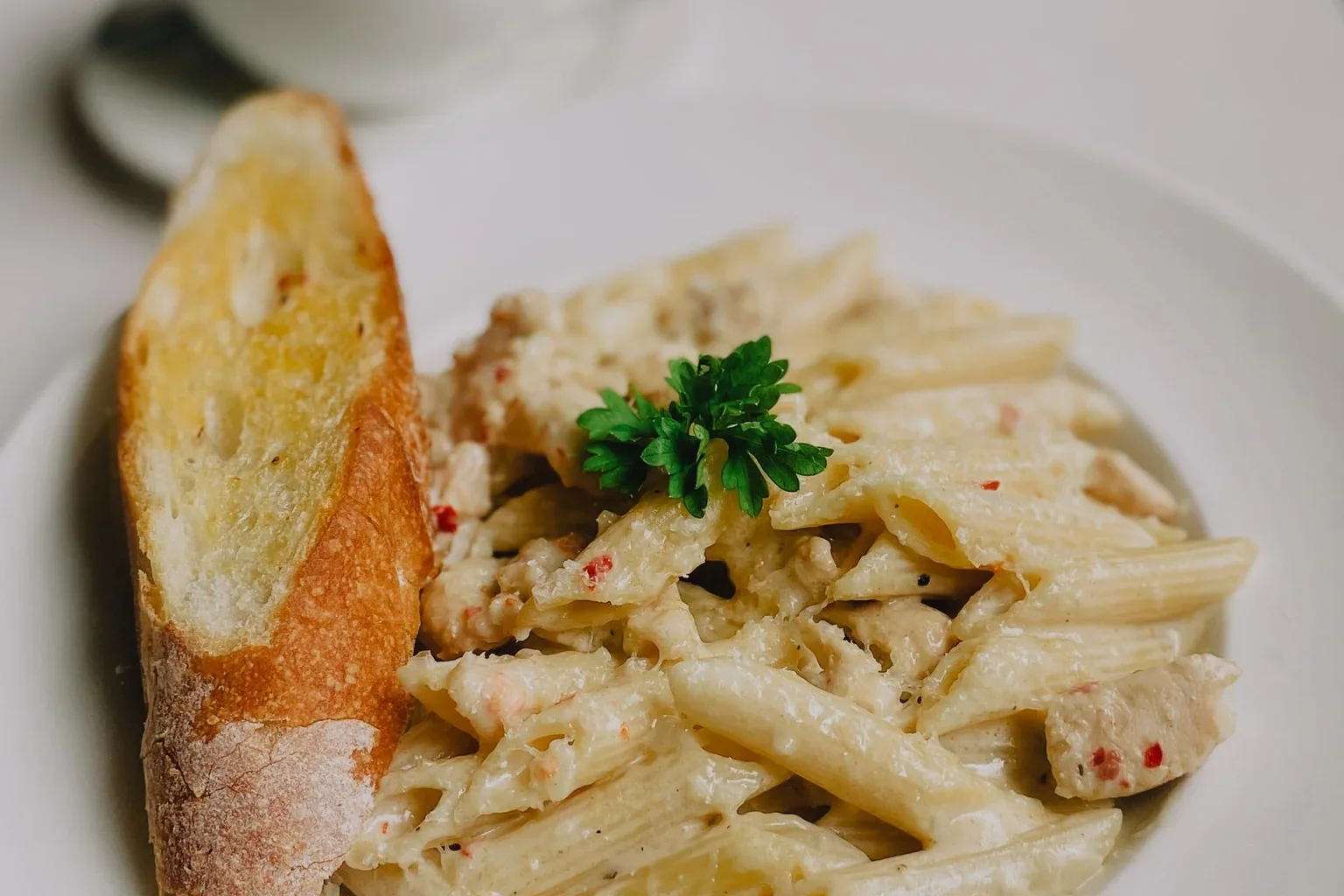 Italian · Restaurant conversations 10 min read
Order an Italian meal one decision at a time
Read an Italian menu, order the meal you want, ask about ingredients, and handle the bill with translated conversations and practical restaurant exercises.
Read the guide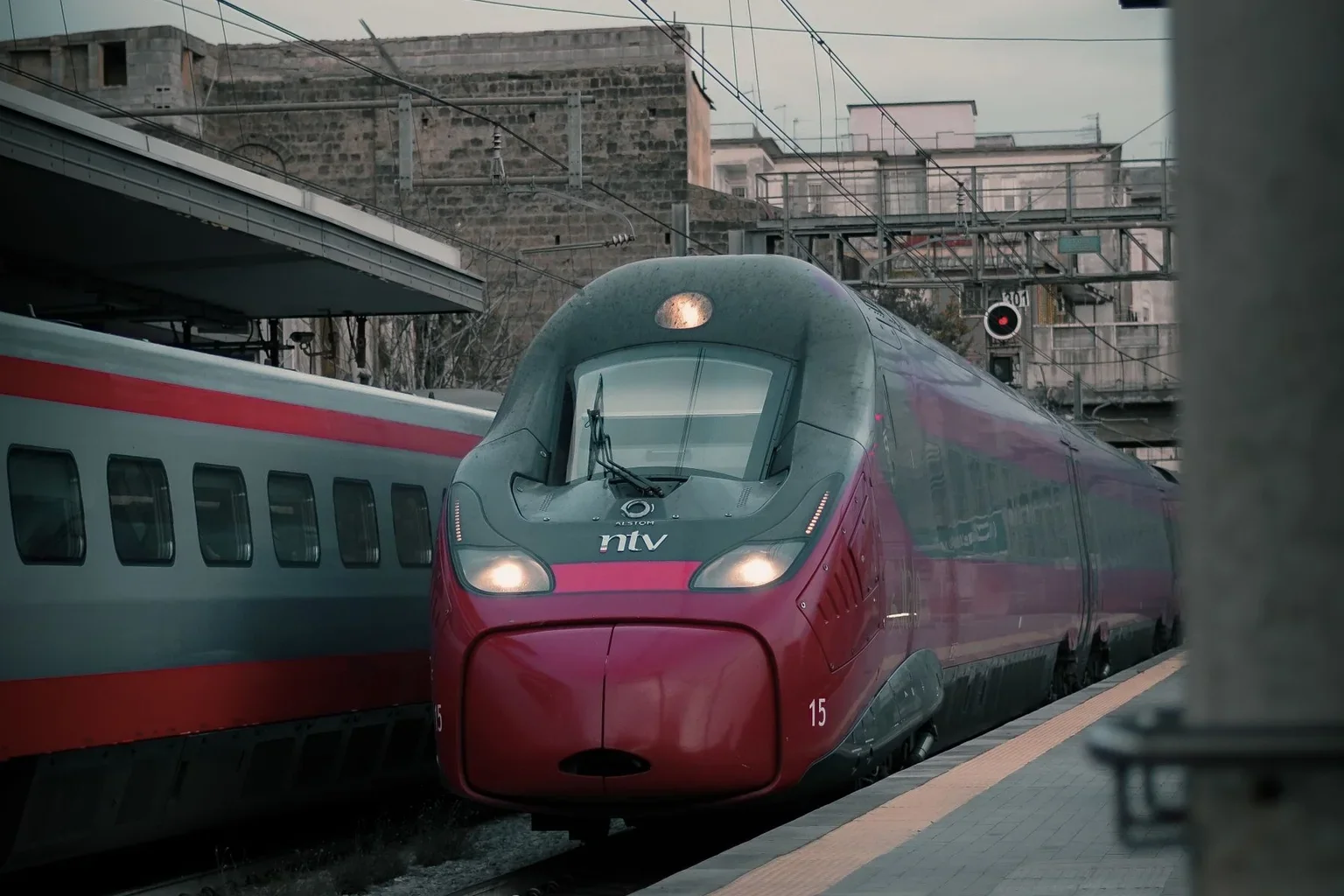 Italian · Train travel 10 min read
Italian train phrases for the right journey
Use Italian station phrases to check your ticket, platform, carriage, and connection, with translated exchanges and a practical departure-board exercise.
Read the guide