Spanish restaurant phrases for beginners
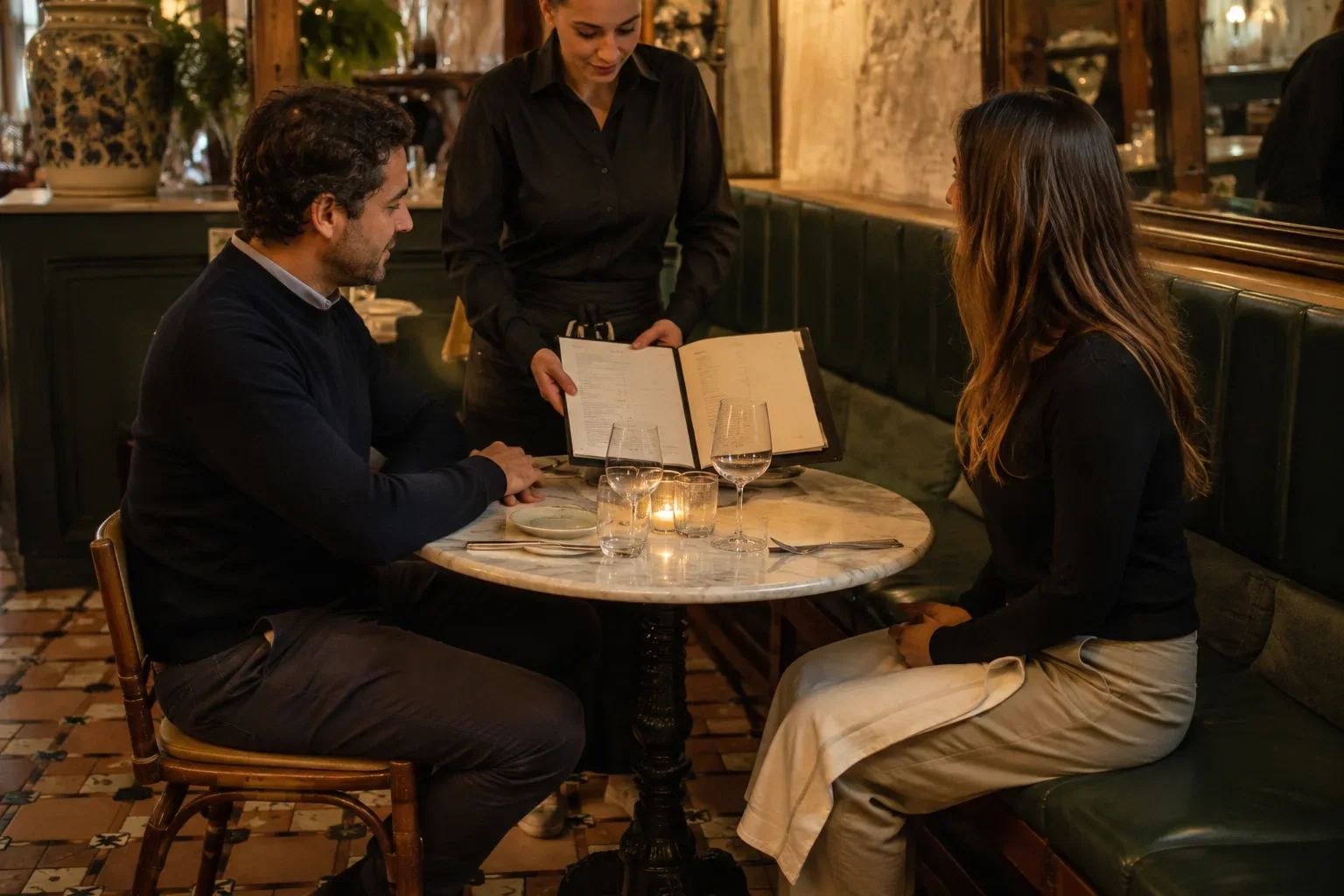
For a simple restaurant visit in Spanish, prepare a request for a table, a food order, and a way to ask for the bill. “Una mesa para dos, por favor,” “Para mí, la sopa, por favor,” and “La cuenta, por favor” cover those three moments.

Quick answer
Treat arriving, ordering, and paying as separate exchanges. Say how many people need a table, use the dish name from the menu, and answer the question about drinks. Ask for clarification when an option is unfamiliar, then request “la cuenta” when you are ready to pay.
In this guide
Five phrases to have ready
Una mesa para dos, por favor.
A table for two, please.
Use this when arriving with one other person.
¿Me trae el menú, por favor?
Could you bring me the menu, please?
A polite request once you are seated.
Para mí, la sopa, por favor.
For me, the soup, please.
Useful when each person is placing their order.
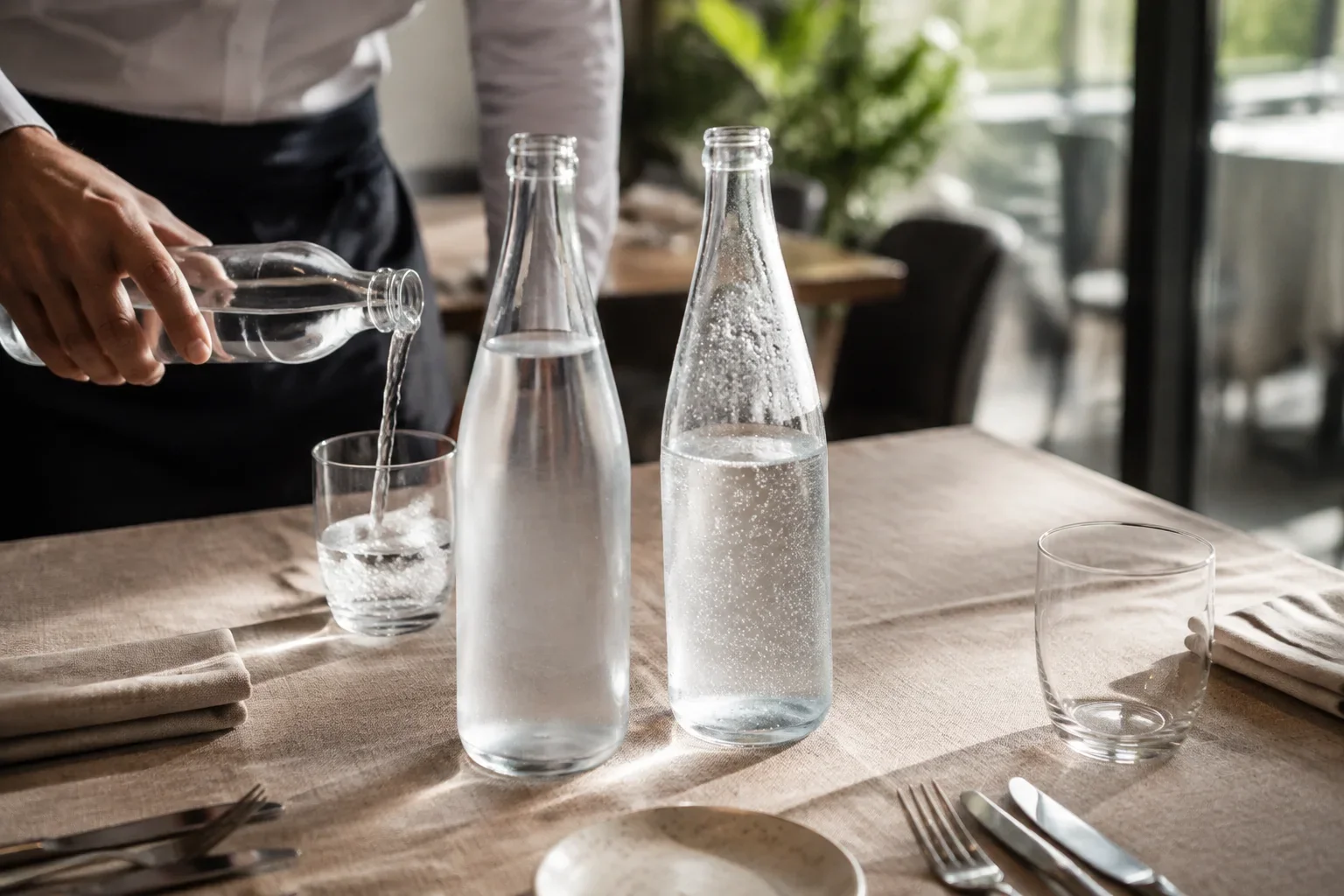
Agua sin gas, por favor.
Still water, please.
This specifies water without carbonation.
La cuenta, por favor.
The bill, please.
A short, common request when you are ready to pay.
A short conversation
¿Qué va a pedir?
What would you like to order?Para mí, la sopa, por favor.
For me, the soup, please.¿Y para beber?
And to drink?Agua sin gas, por favor.
Still water, please.Ask for a table before you start ordering
When you arrive with one other person, “Una mesa para dos, por favor” means “A table for two, please.” Begin with “Hola” or an appropriate greeting, then make the request. The host may need to know whether you have a reservation before finding a table.
“¿Tiene reserva?” means “Do you have a reservation?” If you do, you can say “Sí, a nombre de…” followed by the booking name. That means “Yes, under the name…” If you do not, “No, no tengo reserva” means “No, I don't have a reservation.” These are different replies to the same practical question.
Do not assume a table is available simply because you can see empty seats. The host may explain a wait or ask whether a different area is acceptable. If you miss the time, ask for it again. You can decide whether to wait once you understand the information, rather than agreeing first and trying to reconstruct it afterward.
Ask for the menu and check what a word refers to
“¿Me trae el menú, por favor?” means “Could you bring me the menu, please?” You may also hear or use “la carta” for the list of available dishes. Both words occur in restaurant contexts, but “menú” can also refer to a set meal or selection. Pay attention to the offer in front of you.
A “menú del día” is a daily set menu. Its contents and price depend on the restaurant, so check what is included. “¿Qué incluye?” means “What does it include?” You can ask that question while pointing to the relevant option. It is more precise than assuming every set menu includes the same drinks or courses.
Choose a dish whose name and main description you understand. If something is unfamiliar, ask “¿Qué lleva?” for “What does it contain?” The answer may include new vocabulary, so be ready to ask about a specific ingredient or use the written menu as support. For remembering the words you actually needed, use our Spanish vocabulary method.
Place one clear order at a time
“Para mí, la sopa, por favor” means “For me, the soup, please.” It is useful when several diners take turns ordering. Replace the dish with the menu item you want, checking the form rather than assuming every noun takes “la.” For example, “Para mí, el pollo, por favor” means “For me, the chicken, please.”
The server may ask “¿Qué va a pedir?” or use another question to invite your order. Listen for that invitation, then give the dish and any essential detail. You do not need to include the entire meal in one sentence. The server may guide the exchange with separate questions about courses, sides, and drinks.
If you need more time, “Un momento, por favor” means “One moment, please.” You can also say “Todavía no,” meaning “Not yet,” in response to a question about whether you are ready. A short request for time is clearer than starting an order before you have decided.
When ordering for someone else, make the arrangement explicit through separate requests or a clear gesture. Avoid using “para mí” for every dish if you are speaking for the whole table. Your goal is for the server to understand the order, not to fit every turn into the first phrase you learned.
Answer the question about drinks
“¿Y para beber?” means “And to drink?” A complete response can be as short as “Agua sin gas, por favor,” meaning “Still water, please.” “Agua con gas” means sparkling water. The distinction matters because the server needs to know which kind to bring.
You may be asked about a bottle size, quantity, or whether the water is for the whole table. Use the displayed options and ask for clarification when necessary. “Una botella” means “One bottle,” but it does not specify a universal volume. Let the actual menu or server tell you the available sizes.
The same pattern works for other drinks when you use the menu's wording. If you already practiced a café exchange, you will recognize the job of naming a drink and responding to a choice. The coffee guide gives you a smaller scene to rehearse before connecting drinks to a full meal.
Understand the follow-up before you agree
After you name a dish, the server might ask about a side, preparation, or an unavailable ingredient. A familiar food word does not necessarily tell you the whole question. If you hear an alternative introduced with “o,” meaning “or,” work out which choice you are being asked to make.
For example, “¿Con patatas o con ensalada?” means “With potatoes or with salad?” A reply such as “Con ensalada, por favor” gives the needed choice. The word “patatas” is common in Spain; “papas” is used in many other Spanish-speaking places. Follow the wording used locally instead of treating one version as the only correct word.
If the server says “No queda…”, they are saying that something is no longer available. Listen for the item, then select an alternative or ask a question. Do not repeat the original request louder if the issue is availability. The listening-for-meaning guide explains how to distinguish a missed word from a missed practical decision.
| Spanish | Meaning | A possible response |
|---|---|---|
| ¿Tiene reserva? | Do you have a reservation? | Sí, a nombre de Ana. Yes, under Ana. |
| ¿Qué va a pedir? | What would you like to order? | Para mí, la sopa. For me, the soup. |
| ¿Y para beber? | And to drink? | Agua sin gas, por favor. Still water, please. |
| ¿Algo más? | Anything else? | No, gracias. No, thank you. |
Make an essential request specific
For a simple preference, name what you want changed. “Sin queso, por favor” means “Without cheese, please.” Ask whether the change is possible rather than assuming the dish can always be adapted. The kitchen may prepare some elements in advance.
If a food restriction is essential, do not rely on a vague preference phrase or a guessed translation. State the requirement clearly and confirm the relevant ingredients with staff. A beginner phrase list cannot tell you how a particular kitchen prepares a dish. Use additional language support when you cannot establish the detail you need.
For ordinary missing items, a concise request is enough. “¿Me trae una cuchara, por favor?” means “Could you bring me a spoon, please?” Keep the object and action together in practice. A long explanation of how the spoon went missing usually adds little to this exchange.
If you cannot find a word, describe or point to the item while asking politely. Then note the useful expression later. You can practice this kind of recovery in asking for help in Spanish, where the request changes according to what you did not understand.
Request the bill and clarify payment
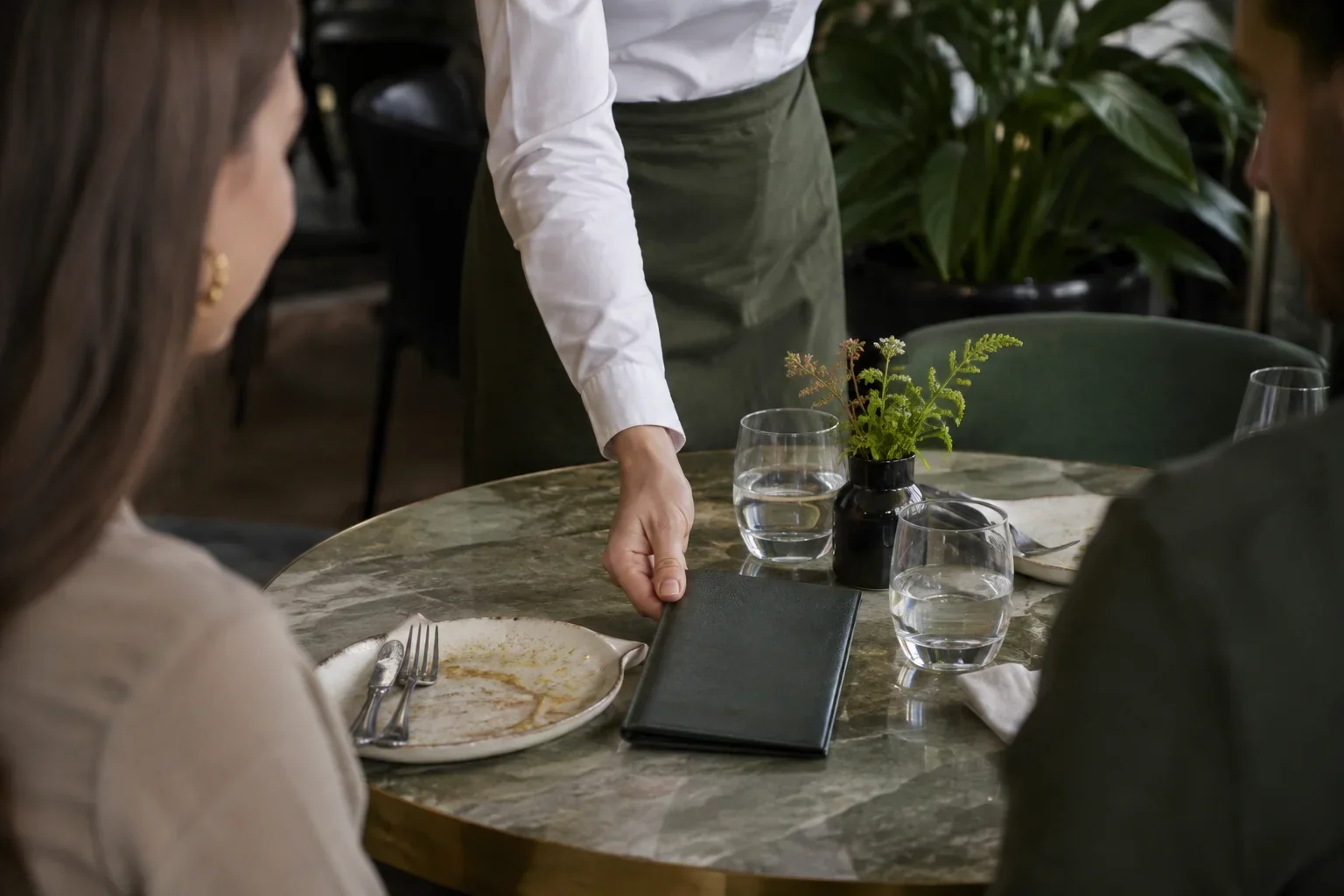
When you are ready to pay, “La cuenta, por favor” means “The bill, please.” Use it after getting the server's attention naturally. You do not need to interpret a bill that has not yet arrived as a language problem; service routines vary.
Check the bill and ask about any item you do not recognize. “¿Qué es esto?” means “What is this?” when you point clearly to the relevant line. If you want to know whether card payment is possible, ask “¿Puedo pagar con tarjeta?” Avoid assuming that payment options or bill-splitting arrangements are the same in every restaurant.
For separate payment, “¿Podemos pagar por separado?” means “Can we pay separately?” The question asks whether the arrangement is possible. Listen to the answer and follow the restaurant's process. You can finish with “Gracias” once the practical details are settled.
Keep payment practice connected to numbers and meaning. If you miss the amount, ask the person to repeat it or show it on the bill. Guessing a total from one familiar number is less useful than calmly confirming the detail.
Practice the meal in three short scenes
Separate arrival, ordering, and payment for your first attempts. This makes it easier to tell where you need more support. You might be comfortable requesting a table but still need practice recognizing the question about drinks. There is no reason to repeat every successful line equally often.
Cover your Spanish replies and use the English situation as a prompt. Then ask a partner or roleplay tool to add one ordinary follow-up. It could be a reservation question, a choice of water, or a payment option. Use the information in the reply rather than moving to the next memorized sentence.
The solo speaking guide explains how to rehearse both a prepared request and a less predictable response. You can fit one restaurant scene into a ten-minute routine. Keep the final review specific: save the question you missed or the phrase you needed.
When you connect all three scenes, allow pauses and shorter answers. A restaurant conversation is not one uninterrupted speech. You are taking turns to arrange something together, and the best next sentence depends on what the other person just said.
- Arrival: ask for a table and answer the reservation question.
- Ordering: name a dish, then respond to the question about drinks.
- Clarification: ask for one unclear option to be repeated.
- Payment: request the bill and ask about the payment method.
- Repeat one scene with a different quantity, dish, or follow-up.
Common questions
How do I ask for the bill in Spanish?
Say “La cuenta, por favor.” It means “The bill, please.” If you want to pay by card or separately, ask that as another question and listen to the restaurant's answer. Payment arrangements are practical details to confirm, not assumptions built into the phrase.
Should I ask for “el menú” or “la carta”?
Both can refer to restaurant food choices. “La carta” commonly means the list of dishes, while “menú” can also mean a set meal. Use the restaurant's wording and ask what is included when you are choosing a fixed-price or daily menu.
How do I say I need a table for two?
Use “Una mesa para dos, por favor.” If the host asks whether you have a reservation, answer that question before continuing. For another group size, replace “dos” with the appropriate number and practice the full request together.
What is the difference between “agua con gas” and “agua sin gas”?
“Agua con gas” is sparkling water; “agua sin gas” is still water. Those phrases specify carbonation; bottle size and price depend on the restaurant. Check the menu or answer the server's next question when they need a quantity.
What if the server asks a question I did not prepare?
Ask “¿Puede repetir, por favor?” and identify the choice or detail they need. You can use the menu as support or ask a more specific question. Do not agree automatically because you recognized one word; make sure the resulting order matches what you want.
Sources and further reading
Related Spanish phrases

At the café
Order a drink and answer whether you are staying or taking it away.
Explore the phrases
When you need a hand
Ask someone to repeat or slow down without switching the entire conversation to English.
Explore the phrases
Checking in
Explain that you have a reservation and ask about your stay.
Explore the phrases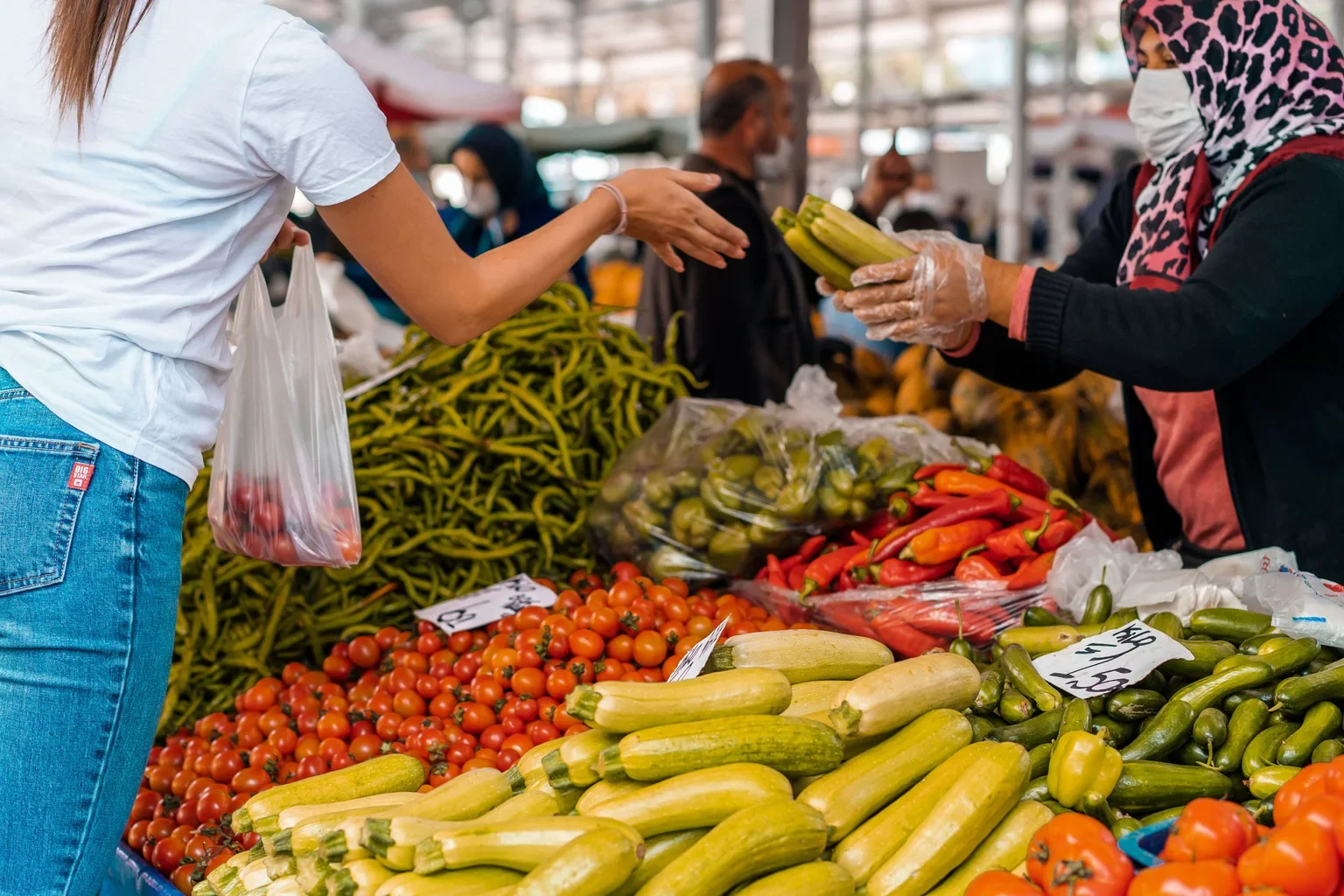
Grocery shopping
Request the right amount and understand the total at checkout.
Explore the phrasesMore practice guides
 Spanish speaking 9 min read
How to practice speaking Spanish alone
Practice Spanish speaking alone with short roleplays, recordings, and useful prompts. Learn how to choose examples and move beyond reading a script aloud.
Read the guide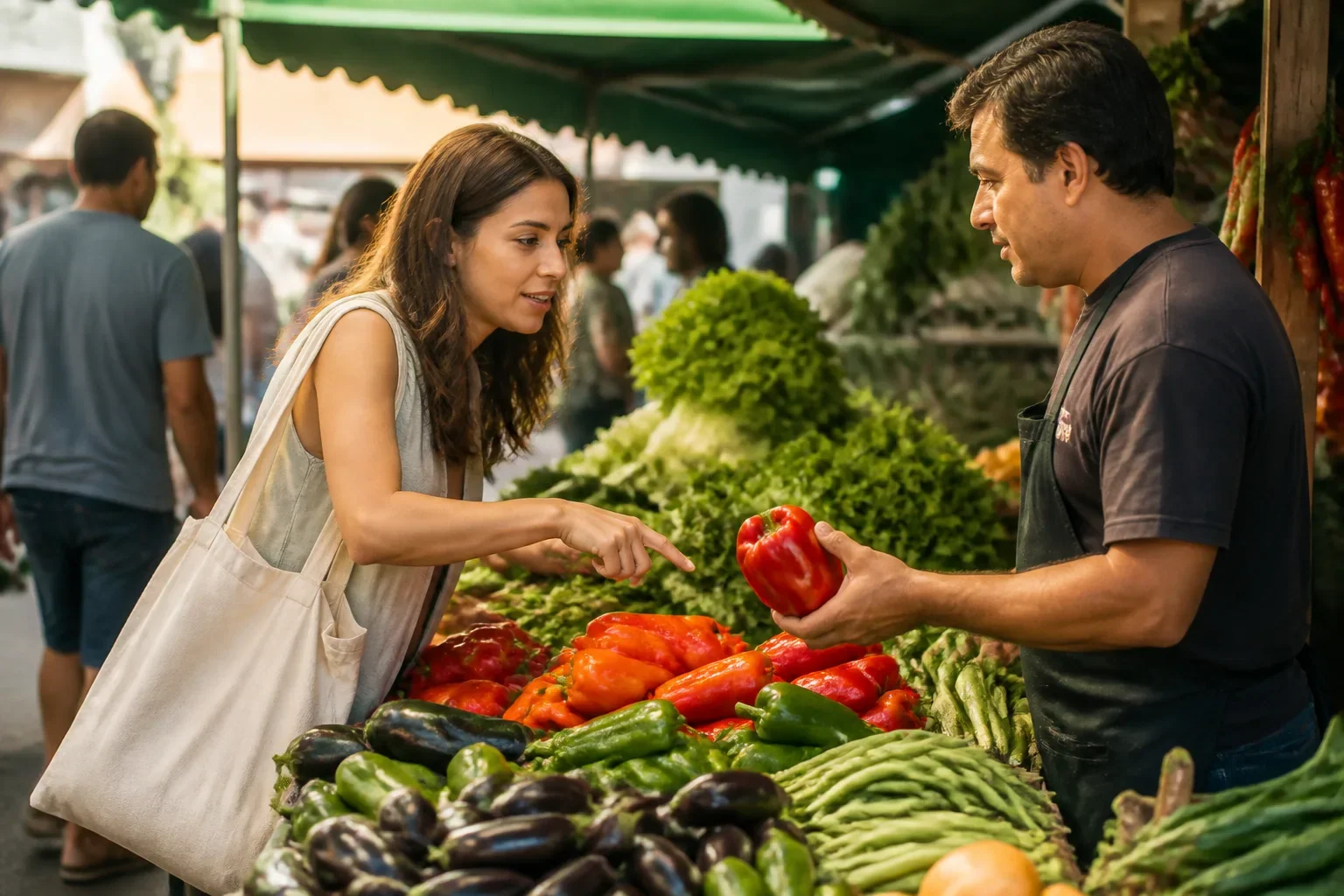 Spanish vocabulary 9 min read
How to remember Spanish vocabulary for speaking
Remember Spanish vocabulary with useful phrases, hidden-answer prompts, and spaced review. Learn how to move from recognizing a word to using it in a reply.
Read the guide Spanish routine 9 min read
A ten-minute Spanish routine you can repeat
Use ten minutes for Spanish listening, speaking, and review. Follow a practical routine with a worked café example and adjustments for busy or difficult days.
Read the guide